Packaging is no longer only about placing a product inside a box. Brands now need packaging that fits the product correctly, protects it during handling, looks strong on shelves, and supports better buying decisions. This is where 3D printing innovations in packaging are helping businesses test ideas before full production and reduce costly packaging mistakes.
3D printing allows brands to create physical samples before ordering large quantities. Instead of guessing how a box, insert, tray, or product holder will work, businesses can review size, shape, product fit, opening style, and presentation in the early stage. For companies that want smarter packaging with fewer revisions, Packaging NextGen helps brands understand how modern custom packaging can support product growth and customer trust.
What are 3D Printing Innovations in Packaging?
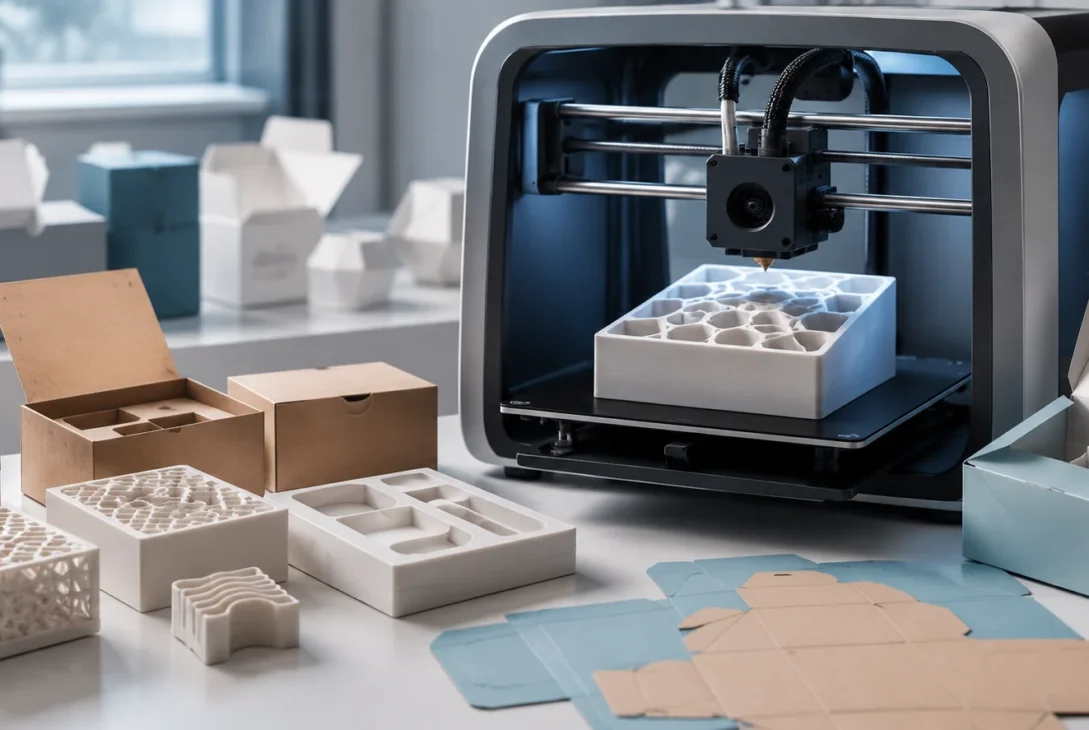
3D printing in packaging means using digital design and additive manufacturing to create packaging models, samples, inserts, trays, holders, and test pieces. These samples help brands review packaging ideas before moving toward final production.
This process is helpful for cosmetics, food items, supplements, candles, electronics, gifts, retail products, and luxury goods. A physical prototype gives brands a better view of product placement, box structure, inner support, and customer experience.
In simple words, 3D printed packaging helps brands test packaging ideas before spending money on full packaging orders.
Why 3D Printing Matters for Custom Packaging
Traditional packaging development can take time because brands may need several rounds of samples, size changes, design edits, and material reviews. 3D printing for custom packaging can make this process faster by turning a digital idea into a physical model.
A brand can check product fit, box shape, insert placement, opening style, display structure, size accuracy, packaging strength, and customer handling experience before production begins.
This is useful for small businesses, growing product brands, and larger companies that want better packaging decisions before placing wholesale orders.
3D Printed Packaging Prototypes for Product Testing
One of the strongest uses of 3D printed packaging prototypes is product testing. Before a business prints hundreds or thousands of custom boxes, it can test a prototype to see how the product sits inside the packaging.
For example, a skincare brand can test how a serum bottle fits inside a box insert. A candle brand can check if the packaging holds the jar safely. An electronics brand can test trays, product holders, and inner supports before final box production.
This makes custom packaging prototypes valuable because they reduce guesswork. A prototype can show if the packaging is too loose, too tight, too large, or difficult to open.
How Packaging Design Prototyping Helps Brands
Packaging design prototyping gives brands a better way to review packaging before final printing. Digital mockups are useful, but a physical sample gives a real feel of the box, insert, tray, or display structure.
Brands can check how the box opens, how the product appears, how the customer may hold it, and how much empty space exists inside. This can improve product presentation and reduce packaging errors.
For brands that manage inserts, labels, manuals, or printed product guides, understanding what does collate mean when printing can help create a clear commercial printing workflow and keep packaging materials organized before final assembly. Packaging NextGen understands that better planning can save time, reduce waste, and make packaging more useful for real customer needs.
Benefits of 3D Printing in Packaging
3D printing innovations in packaging can support brands in many practical ways.
Faster Design Review
Brands can see and test packaging models earlier. This helps teams make decisions with more confidence before final production.
Better Product Fit
A 3D printed sample can show how the product fits inside the box, tray, holder, or insert before packaging is printed.
Lower Sampling Waste
Instead of ordering many physical samples in different versions, brands can test early models and reduce unnecessary material use.
More Accurate Custom Inserts
Custom inserts for cosmetics, electronics, candles, bottles, and luxury products can be tested for shape, grip, and placement before final packaging production.
Better Retail Presentation
Retail brands can test shelf display, product angle, box opening style, and customer viewing experience before choosing the final design.
Better Support for Wholesale Orders
When a design is tested before production, large packaging orders can move forward with fewer corrections.
3D Printed Packaging Solutions for Different Industries
3D printed packaging solutions can help many product categories. Each industry has different packaging needs, so testing before production can make a strong difference.
Cosmetic Packaging
Cosmetic brands can test inserts for bottles, jars, palettes, serums, creams, and skincare sets. This helps improve product fit and presentation before final box printing.
Food Packaging
Food brands can review packaging shape, display style, and product placement for retail shelves. They can also study cereal box branding to understand how characters, colors, and shelf visuals influence customer attention.
Candle Packaging
Candle businesses can test holders, jar protection, sleeve boxes, and rigid packaging inserts before choosing the final structure.
Electronics Packaging
Electronics brands can use prototypes for trays, parts spacing, product safety, and protective packaging.
Gift Packaging
Gift brands can test box opening style, product arrangement, and presentation before placing larger packaging orders.
Retail Packaging
Retail products need packaging that looks clean, holds the product well, and gives customers clear product information.
Additive Manufacturing in Packaging
Additive manufacturing in packaging means creating packaging-related parts layer by layer from a digital file. This method is useful for prototypes, product holders, inserts, molds, display samples, and testing parts.
For packaging companies, it can support faster sampling and more accurate product testing. For product brands, it gives a better way to approve a design before moving into printed packaging production.
This does not mean every final box needs to be 3D printed. In many cases, 3D printing is best used during the design and testing stage before final materials like paperboard, kraft, cardboard, rigid stock, or corrugated board are selected.
3D Printing and Sustainable Packaging Innovation
Sustainability is now a major concern in packaging. Brands want packaging that protects products but does not create unnecessary waste. Sustainable packaging innovation can include better material choices, smart sizing, recyclable options, and reduced sample waste.
3D printing can help by allowing brands to test packaging size and structure before final production. If a box is too large, it may waste material and shipping space. If an insert does not hold the product correctly, it may lead to damage. Testing earlier can help brands make better packaging decisions.
This makes innovative packaging technology useful not only for design but also for waste reduction and smarter production planning.
How 3D Printing Supports Custom Box Design
3D printing can support many custom packaging products, including folding carton boxes, rigid boxes, mailer boxes, display boxes, cosmetic boxes, candle boxes, retail boxes, product inserts, bottle holders, tray packaging, gift packaging, and subscription box packaging.
For brands that need custom printed boxes, 3D printed models can help review product fit and presentation before artwork, printing, finishing, and final production begin.
Product count and box structure also matter in regulated categories such as cigarette packaging, where pack size, carton planning, warning space, and material choice must be reviewed before production.
Packaging NextGen focuses on helping businesses think beyond basic packaging and plan boxes that match product size, branding needs, and customer expectations.
Is 3D Printed Packaging Right for Every Brand?
3D printed packaging is not always needed for simple packaging orders. If a brand needs a standard folding carton or mailer box with basic sizing, a digital proof and sample may be enough.
But 3D printing can be useful when the packaging includes custom inserts, unique product shapes, premium product presentation, multiple items inside one box, display structure, bottle holding needs, retail shelf planning, or high-value product packaging.
For brands with custom shapes or product-specific packaging needs, 3D printing can help avoid costly design mistakes.
How to Use 3D Printing Before Ordering Custom Packaging
Brands can use this process before placing final packaging orders.
1. Define the Product Size
Measure the product accurately, including height, width, depth, weight, and any fragile parts.
2. Choose the Packaging Goal
Decide if the packaging is for retail display, shipping, gifting, subscription boxes, or premium presentation.
3. Create a Digital Design
The packaging concept can be prepared digitally before testing.
4. Build a Prototype
A 3D printed model can help test shape, size, inserts, and product placement.
5. Review Fit and Usability
Check if the product is secure, easy to remove, easy to view, and presented clearly.
6. Finalize Material and Printing
After the prototype is approved, the brand can choose paperboard, kraft, rigid stock, corrugated board, coating, foil, embossing, or other finishing options.
Future of 3D Printing in Packaging
The future of 3D printing in packaging will focus on faster prototypes, smarter design testing, reduced waste, and better product-specific packaging. As more brands look for custom packaging that fits their products accurately, prototype testing will become more useful.
Businesses that use early testing can make better decisions before production. This can improve packaging quality, reduce unnecessary revisions, and help brands create a stronger customer experience.
Packaging NextGen can help product brands plan custom packaging with better structure, clear design direction, and packaging choices that support both product safety and brand value.
FAQs
What are 3D printing innovations in packaging?
3D printing innovations in packaging include the use of digital models and physical prototypes to test custom boxes, inserts, trays, display packaging, and product fit before final production.
How does 3D printing help custom packaging?
3D printing helps brands test packaging size, shape, inserts, and product placement before ordering large quantities. This can reduce mistakes and improve the final packaging design.
What are 3D printed packaging prototypes?
3D printed packaging prototypes are physical models used to test packaging ideas. They help brands review product fit, opening style, display layout, and inner support before final box production.
Is 3D printed packaging good for small businesses?
Yes, small businesses can use 3D printed packaging prototypes to test ideas before spending money on larger packaging orders. It can help avoid wrong sizes and weak product presentation.
Can 3D printing reduce packaging waste?
Yes, 3D printing can reduce waste during the testing stage by helping brands review and correct packaging designs before final production.
Which industries use 3D printing in packaging?
Cosmetics, food, candles, electronics, supplements, gifts, retail products, and luxury brands can use 3D printing for packaging prototypes and product fit testing.
Is 3D printing used for final packaging or only prototypes?
In most custom packaging projects, 3D printing is mainly used for prototypes, inserts, holders, molds, or testing parts. Final packaging is often produced with paperboard, kraft, rigid stock, or corrugated material.
Why should brands test packaging before production?
Testing helps brands check product fit, customer experience, box structure, and material needs before placing a full order. This can save time and reduce costly changes later.