
Graphic Packaging International is a global consumer packaging producer best known for folding cartons, beverage carriers, paperboard trays, cups, bowls and foodservice containers. The company turns recycled, unbleached and bleached paperboard into packaging used across food, drinks, household goods, beauty, healthcare and restaurant markets. This Packaging NextGen guide explains the company behind the name, what it produces, how its paperboard systems work and what packaging buyers can learn from its current direction.
What Is Graphic Packaging International?
Graphic Packaging International, LLC is the main operating business within Graphic Packaging Holding Company. The parent company is publicly traded on the New York Stock Exchange under the ticker GPK. Its corporate headquarters are in Atlanta, Georgia.
According to the company’s 2025 annual filing, Graphic Packaging makes consumer packaging from renewable or recovered materials. Its product range includes cartons, multipack cartons, trays, carriers, paperboard canisters, cups and bowls. The same filing reports more than 23,000 employees at more than 100 locations across over 25 countries as of December 31, 2025.
The business is more than a printer or carton converter. It also makes a large share of the paperboard used by its packaging plants in the Americas, develops structural packaging systems, supplies packaging machinery and holds intellectual property connected with carton structures, barrier protection, microwave packaging and production equipment.
Graphic Packaging International at a Glance
| Company Detail | Current Information |
| Operating name | Graphic Packaging International, LLC |
| Parent company | Graphic Packaging Holding Company |
| Stock ticker | NYSE: GPK |
| Headquarters | Atlanta, Georgia, United States |
| President and CEO | Robbert Rietbroek |
| Main business | Consumer paperboard packaging |
| Main materials | Recycled, unbleached and bleached paperboard |
| Core markets | Food, beverage, foodservice, household, beauty and healthcare |
| Workforce | More than 23,000 employees at the end of 2025 |
| Footprint | More than 100 locations across over 25 countries |
| 2025 net sales | Approximately $8.6 billion |
| Official website | graphicpkg.com |
These details can change through acquisitions, plant reviews, leadership changes and annual reporting. Readers researching employment, investor data or a specific manufacturing site should verify the latest information on the company’s official pages.
Is Graphic Packaging International the Same as Graphic Packaging Holding Company?
The two names are closely connected, but they describe different parts of the corporate structure.
Graphic Packaging Holding Company is the publicly traded parent listed as GPK. Graphic Packaging International, LLC is an operating subsidiary through which much of the packaging business is conducted. In everyday industry coverage, “Graphic Packaging” and “Graphic Packaging International” are often used as short names for the wider group.
This difference matters when checking annual reports, stock information or legal filings. Investor documents normally use Graphic Packaging Holding Company, whereas product pages, careers and customer-facing material commonly use Graphic Packaging International.
A Short History of Graphic Packaging International
The company’s roots reach back much further than its current name. Official investor records state that the business began producing paperboard packaging in 1923 as Brown Paper Mill Company. Over time, related operations carried names including Olin Mathieson Chemical, Manville Forest Products and Riverwood International Corporation.
Several events shaped the present company:
- 1923: Brown Paper Mill Company began producing paperboard packaging.
- 1970s: A packaging and label business connected with Coors Brewing Company became part of the company’s later corporate lineage.
- 2003: Riverwood International Corporation merged with Graphic Packaging Corporation to form Graphic Packaging International.
- 2008: Graphic Packaging and Altivity combined, creating the publicly traded Graphic Packaging Holding Company structure.
- 2026: The company added PaceSetter Ridgeline, marking its entry into the uncoated recycled paperboard market.
The company’s official corporate history filing gives useful context for these mergers. The timeline also explains why the group has capabilities spanning mills, carton converting, foodservice items, machinery and specialty packaging.
What Does Graphic Packaging International Make?
Graphic Packaging International makes consumer packaging, packaging materials and equipment for applying certain carton systems. The exact portfolio differs by country and plant, but its current solutions directory groups the business into several major areas.
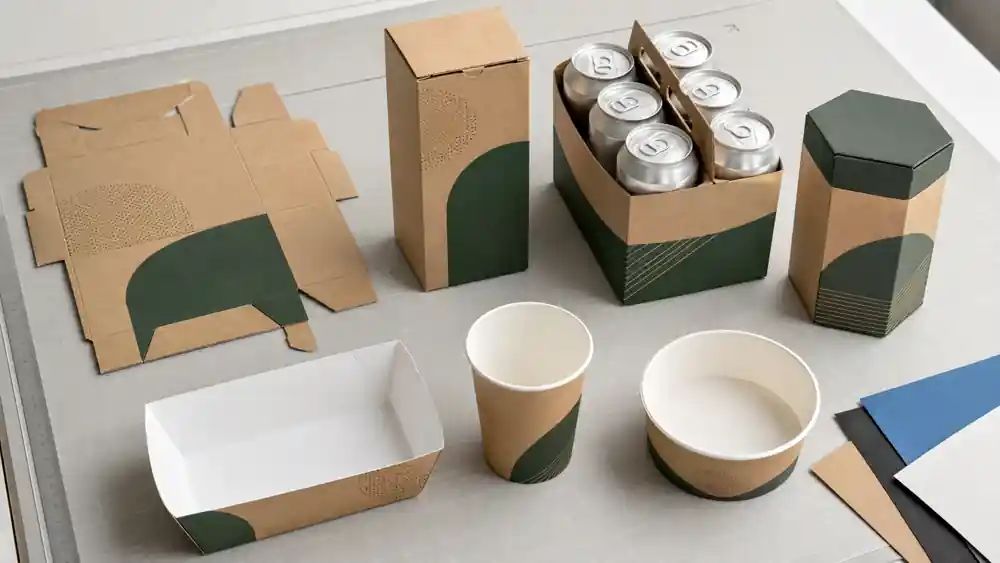
Folding Cartons
Folding cartons are printed paperboard packages supplied flat and folded into shape during packing or assembly. They are used for cereal, frozen food, snacks, household products, beauty items, healthcare goods and many other retail products.
The company offers standard folding cartons as well as heavyweight, laminated and reinforced formats. Carton selection depends on product weight, storage conditions, barrier needs, printing, filling speed and distribution demands.
Folding cartons give brands printable panels for product details, instructions, barcodes and shelf communication. Their flat delivery can also reduce storage space before the cartons are formed.
Beverage Multipack Packaging
Beverage packaging is one of the company’s most visible specialties. Its systems include fully enclosed cartons, basket carriers, wrap-style cartons, multipack trays and clip-style packs for cans and bottles.
One notable system is KeelClip, a paperboard clip used to group cans without plastic rings or shrink film. The pack covers the top of the cans, provides printable space and works with automated application equipment.
The value of this system is not limited to replacing one material. Beverage companies must also examine can retention, carrying comfort, line speed, pack configurations, store display and transport stability. A paperboard alternative that cannot run reliably on a filling line would create a different set of costs.
Foodservice Cups, Bowls and Containers
Graphic Packaging supplies hot and cold cups, lids, bowls, takeout containers and other foodservice formats. These products are used by quick-service restaurants, cafés, convenience stores, caterers and institutional food providers.
Foodservice packaging has demanding requirements. A cup or bowl may need resistance to heat, moisture, grease and leakage while remaining easy to stack, fill, close and carry. Material choice must therefore account for coatings, lids, local recovery systems and the food being packed.
Paperboard Trays
Paperboard trays can be used for chilled foods, prepared meals, produce, bakery products and fresh proteins. Some include a thin barrier liner to manage moisture, oxygen or grease.
The PaperSeal Original tray is presented by the company as using 80 to 90 percent less plastic than a traditional thermoformed tray, depending on the application. Its liner can be separated from the paperboard body after use. That design can reduce plastic content, but actual recycling still depends on local collection rules and whether the consumer separates the parts correctly.
Paperboard Canisters
Paperboard canisters are used for dry food, coffee, snacks, confectionery, nutritional powders and similar products. They sit between a carton and a rigid container, offering a larger printable surface and a shape that can stand on a shelf.
Graphic Packaging’s Boardio paperboard canister contains more than 80 percent fiber according to the company. It is shipped flat to the filling site and is available with different shapes, sizes and barrier levels. The final barrier specification is important because coffee, milk powder and snacks do not have the same oxygen or moisture requirements.
Microwave and Ovenable Packaging
The portfolio also includes cartons, trays and bowls for refrigerated, frozen, microwave and oven-ready food. These packages may use heat-resistant coatings or microwave-active components to support browning and crisping.
This area requires careful testing because packaging must remain stable across temperature changes while protecting food quality. Product recipes, heating instructions, tray depth and sealing systems can all affect the final pack.
Detergent and Child-Resistant Cartons
The company’s CleanClose packaging offers a paperboard alternative for laundry and dishwasher products. A version using the ChildBlock structural feature is certified as child-resistant under 16 CFR § 1700.20, according to its product page.
Child resistance does not mean a package is impossible for a child to open. It means the package has been tested against a defined standard. Brands still need clear storage warnings, closure testing and region-specific compliance review.
Packaging Machinery
Graphic Packaging also supplies equipment for forming or applying several of its proprietary packaging systems. Its machinery portfolio covers beverage multipacks, carton forming, paperboard canisters, sleeves and pick-and-place applications.
This combined material-and-machinery model helps explain the company’s position in beverage packaging. A new pack must work as part of a production system, not only as a board sample. Line speed, changeover time, quality checks, maintenance and operator safety all influence adoption.For a wider view of early-stage physical testing, read our guide to 3D printing innovations in packaging.
What Materials Does Graphic Packaging Use?
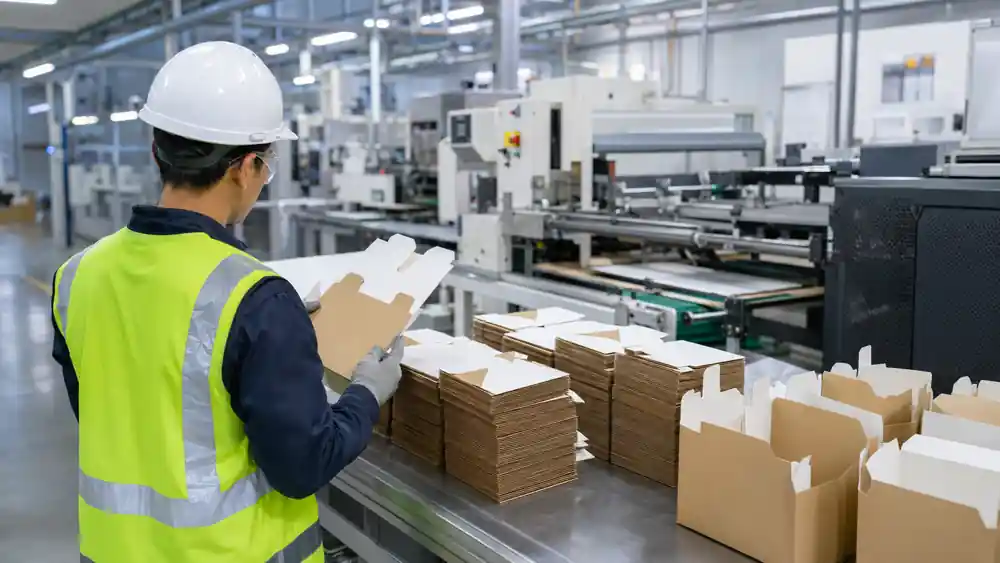
Three paperboard categories sit at the center of the company’s portfolio.
Recycled Paperboard
Recycled paperboard uses recovered fiber as a major raw-material source. It is used in folding cartons, household products, food packaging where permitted, industrial applications and other board formats.
In July 2026, the company launched PaceSetter Ridgeline, an uncoated recycled paperboard grade intended for folding cartons, laminations, edge protection, tubes, cores and specialty uses. The launch expanded its recycled-board range beyond coated applications.
Unbleached Paperboard
Unbleached paperboard generally retains the natural brown color of its fiber. It is valued for strength and is widely associated with beverage carriers and heavy consumer packaging. Print appearance differs from white board, so brands need to test color, ink coverage and image reproduction on the selected grade.
Bleached Paperboard
Bleached paperboard provides a white printing surface often used where clean color reproduction and shelf presentation matter. Applications can include food, healthcare, personal care and premium retail cartons.
No board grade is automatically the best choice for every product. The decision depends on strength, contact requirements, moisture exposure, print goals, recycled content, filling equipment, transport and end-of-life options.
Which Industries Does Graphic Packaging International Serve?
The customer base spans high-volume consumer categories:
- Food and food ingredients
- Beer, soft drinks, water and other beverages
- Quick-service restaurants and foodservice
- Household cleaning products
- Beauty and personal care
- Healthcare and pharmaceutical products
- Pet food and pet care
- Retail and e-commerce
Different industries ask different questions. A beverage company may prioritize machine speed and pack strength. A frozen-food producer may focus on moisture and temperature. A healthcare brand may place more weight on tamper evidence, traceability and readable instructions.
Shelf communication remains important across all these markets. Packaging graphics can help shoppers recognize a product quickly, yet the structure must still protect what is inside. Our guide to the world of cereal mascots shows how character design and printed packaging can build recognition in a crowded food aisle.
Graphic Packaging International Sustainability Strategy
Sustainability claims need dates, measurements and clear boundaries. Words such as recyclable, renewable and recycled do not mean the same thing, and a technically recyclable package may not be accepted in every local collection program.
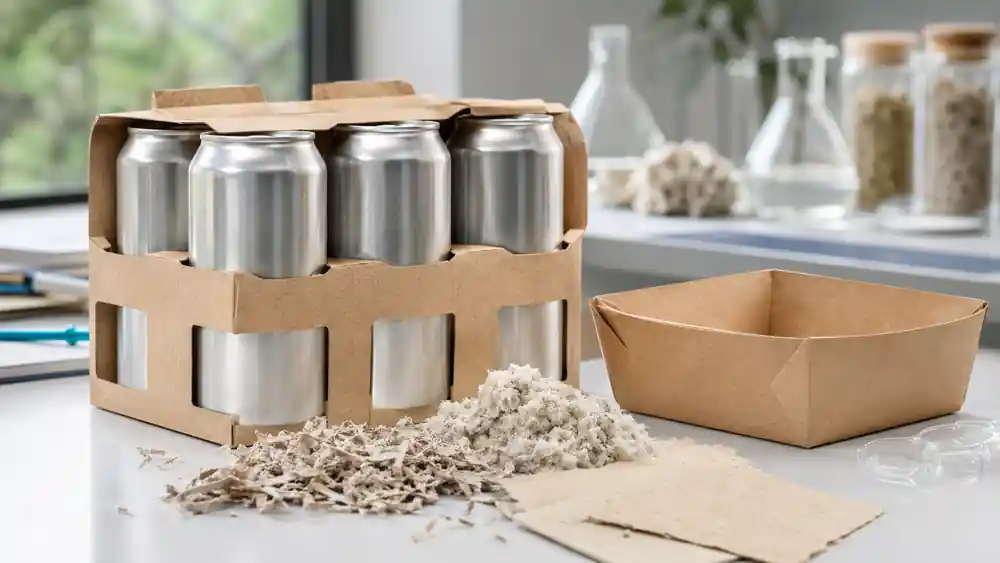
Graphic Packaging’s June 2026 impact announcement reported the following 2025 results:
- Approximately 880 million plastic packages were replaced with paperboard alternatives during 2025.
- The reported two-year total reached nearly 1.9 billion packages.
- Approximately 96 percent of packaging products sold were designed to be recyclable.
- 99 percent of purchased forest products were reported as sustainably sourced.
- Customer packaging innovation projects generated $210 million in 2025 revenue.
- The company held rights to more than 3,100 patents supporting packaging applications.
These are company-reported figures from its 2025 Impact Report announcement. They should be read with the definitions and calculation methods in the full report.
For packaging buyers, a strong environmental review should ask:
- How much material is used per finished pack?
- Is the board made from virgin fiber, recovered fiber or a mixture?
- What coatings, adhesives, windows or liners are added?
- Can users separate mixed-material components?
- Is the package accepted by recovery systems in the market where it is sold?
- Does a material change affect food protection or product waste?
- What happens to transport weight, pallet use and packing speed?
Reducing plastic can be a useful goal, but a full decision should also examine product damage, shelf life, energy, shipping and local waste systems.
Where Does Graphic Packaging International Operate?
The company reports operations across the Americas, Europe and other international markets. Its network includes packaging plants, paperboard mills, design centers, offices and machinery operations.
The headquarters is in Atlanta, Georgia. Its official location directory lists facilities by region and business type. Anyone seeking a job, plant address or local contact should use that directory because facilities can open, close or change roles.
Packaging NextGen recommends adding a “last reviewed” date to any company profile covering locations or leadership. That small step helps readers separate current facts from older corporate information.
Who Competes With Graphic Packaging International?
The paperboard-packaging market includes large integrated producers, independent carton converters and suppliers using plastic, corrugated board, molded fiber, foam and multilayer materials.
Graphic Packaging’s 2025 annual filing identifies Smurfit Westrock as its largest competitor within paperboard packaging. Competition is based on price, structural design, appearance, quality, customer service, production capacity and delivery.
The competitive set changes by product:
- Folding cartons compete with other folding-carton converters and, in some uses, flexible packs.
- Beverage carriers compete with paperboard cartons, plastic rings, shrink film and corrugated formats.
- Food trays compete with plastic, foam, aluminum and molded-fiber trays.
- Paperboard canisters compete with rigid plastic, metal, glass and composite containers.
- Foodservice cups and bowls compete with plastic, molded fiber and other coated paper products.
This is why a single “largest packaging company” list can be misleading. Companies may compete strongly in one category and have little overlap in another.
What Can Packaging Brands Learn From Graphic Packaging?
The company’s portfolio offers several useful lessons for packaging teams of any size.
Treat Packaging as a System
A material cannot be evaluated alone. The pack, coating, seal, filling line, case packing, pallet pattern and store display all interact. Changing one part may create cost or waste elsewhere.
Test Before Full Production
Physical samples can reveal weak closures, poor product fit, confusing opening steps or print problems. Brands should test the finished package under realistic filling, shipping, storage and handling conditions.
Plan Printing Early
Structural panels, glue areas, folds, barcodes and required copy compete for limited space. Artwork should be reviewed on the dieline before plates or cylinders are approved. When projects include several printed inserts, our explanation of what collate means when printing can help teams plan their print order.
Make Environmental Claims Specific
“Paper-based” is not enough. State the fiber percentage, recycled content, coating type, certification scope, test method and recycling instructions where possible.
Check Local End-of-Life Conditions
A package may pass a laboratory repulpability test but still be excluded from a local curbside program. Claims should match the markets in which the product is actually sold.
Is Graphic Packaging International a Packaging Supplier for Small Businesses?
Graphic Packaging primarily serves large-scale consumer brands, retailers and foodservice customers. Its product and machinery systems are often built around industrial production volumes. Availability, minimum quantities and regional capabilities differ.
Small businesses researching similar packaging should first define:
- Product dimensions and weight
- Food-contact or safety requirements
- Required order quantity
- Board grade and thickness
- Barrier and shelf-life needs
- Print method and number of colors
- Filling and sealing process
- Shipping and storage conditions
- Recovery instructions for the target market
With this information, a business can compare local converters, stock packaging and large manufacturers on equal terms.
Final Thoughts
Graphic Packaging International is a major paperboard-packaging producer with operations spanning material production, carton converting, foodservice packaging, structural systems and machinery. Its best-known areas include folding cartons, beverage multipacks, trays, cups, bowls and paperboard canisters.
Its current strategy reflects a wider industry shift toward fiber-based formats, lower plastic content, recyclable designs and packaging systems that can run at industrial speed. KeelClip, Boardio, PaperSeal, CleanClose and PaceSetter Ridgeline show how the company applies that direction across drinks, dry foods, fresh foods, detergents and paperboard materials.
The strongest lesson is that packaging should be judged as a complete production and recovery system. Material source, protection, printing, packing speed, transport, consumer use and local collection all matter. Packaging NextGen will continue examining these factors so brands can compare packaging claims with real product requirements.
Frequently Asked Questions
What is Graphic Packaging International?
Graphic Packaging International is a global producer of consumer paperboard packaging. It makes folding cartons, beverage carriers, trays, cups, bowls, foodservice containers, paperboard canisters and related packaging systems.
Who owns Graphic Packaging International?
Graphic Packaging International, LLC operates within Graphic Packaging Holding Company, a public company traded on the New York Stock Exchange under the ticker GPK. Public shareholders own the listed parent through its outstanding shares.
Where is Graphic Packaging International headquartered?
Graphic Packaging International is headquartered in Atlanta, Georgia, United States. The company also operates packaging plants, paperboard mills, offices and design centers across multiple countries.
Who is the CEO of Graphic Packaging International?
As of July 2026, Robbert Rietbroek is President and Chief Executive Officer of Graphic Packaging Holding Company. Leadership details can change, so time-sensitive profiles should include a review date.
What products does Graphic Packaging International make?
Its products include folding cartons, beverage multipacks, paperboard trays, cups, bowls, takeout containers, paperboard canisters, microwave food packs, specialty papers and machinery for selected packaging systems.
What paperboard does Graphic Packaging produce?
The company produces and uses recycled, unbleached and bleached paperboard. Each grade offers a different balance of strength, color, print surface, recovered-fiber content and end use.
Is Graphic Packaging International a public company?
The operating business is held within Graphic Packaging Holding Company, which is publicly traded on the New York Stock Exchange as GPK.
Is Graphic Packaging packaging recyclable?
The company reported that approximately 96 percent of packaging products sold in 2025 were designed to be recyclable. Local acceptance still depends on coatings, liners, collection rules and recovery infrastructure.
Who is Graphic Packaging International’s largest competitor?
Graphic Packaging’s 2025 annual filing names Smurfit Westrock as its largest paperboard-packaging competitor. The exact competitor group differs across cartons, trays, foodservice items and beverage systems.
What is KeelClip packaging?
KeelClip is a paperboard clip-style multipack system for cans. It is intended to replace plastic rings or shrink film while securing cans, covering their tops and providing printable branding space.
How many employees does Graphic Packaging International have?
The company reported more than 23,000 employees at more than 100 locations across over 25 countries as of December 31, 2025.
Is this website affiliated with Graphic Packaging International?
No. Packaging NextGen is an independent packaging publication. This article is an informational industry profile based on company filings, product pages and published corporate reports.