
An influencer can decide whether a PR box deserves camera time before touching the product. The box size, opening sequence, product placement and opening note reveal whether the send was planned for that creator or shipped to a generic list. For brands, this makes PR packaging a campaign asset: it protects the item, controls the first visual frame and gives the recipient enough context to tell an accurate story.
A PR package is a branded collection of products and information sent to creators, journalists or business partners to encourage unpaid coverage. A strong package contains a relevant product, protective packaging, a secure insert, a personal message, campaign details and clear gifting-disclosure guidance.
Packaging NextGen prepared this guide for brands that need practical PR package ideas, material guidance and a repeatable process for planning creator mailers.
Key Takeaways
- A PR package normally supports awareness, creator relationships, product trials and earned content rather than guaranteed posts.
- The product, recipient and campaign goal should be chosen before the box style, graphics or extra gifts.
- Corrugated mailers suit many everyday campaigns, while rigid boxes are better reserved for high-value launches and limited sends.
- A fitted paperboard or molded-pulp insert can protect the product and reduce the need for loose filler.
- A useful campaign plan includes packaging cost, product cost, assembly, shipping and the expected coverage rate.
- Gifted-product relationships should be disclosed clearly when a creator posts an endorsement.
- Results should be measured with delivery, coverage, content, traffic and conversion metrics instead of likes alone.
What Is a PR Package?
A PR package, sometimes called a PR box, influencer mailer or creator gift box, is a physical collection sent by a brand to a selected recipient. The package may contain a new product, supporting samples, printed information and a personal note. Its purpose is to give the recipient a real product experience that may lead to a review, social post, unboxing video, editorial mention or long-term brand relationship.
The word “PR” stands for public relations. That does not mean every recipient is a journalist. Modern PR lists can include:
- Social media creators
- Product reviewers
- Editors and reporters
- Podcast hosts
- Retail buyers
- Event speakers
- Industry experts
- Existing brand partners
If a product is sent without payment or a publishing agreement, the recipient is generally free to decide whether to post. A brand should not describe an unpaid gift as guaranteed promotion. When specific content, approval rights, deadlines or required messages are part of the exchange, the arrangement may be closer to a paid or contracted partnership.
PR Package vs PR Box, Press Kit and Product Seeding
These phrases often appear together, but they do not always describe the same campaign.
| Term | Meaning | Common Contents | Main Goal |
| PR package | Product and brand information sent to a selected contact | Product, box, note, insert and campaign details | Earn attention or coverage |
| PR box | The physical boxed format of a PR package | Product, fitted insert and printed elements | Create a strong opening experience |
| Press kit | Information prepared mainly for media use | Press release, fact sheet, images and contacts | Support accurate reporting |
| Media kit | A set of brand, publication or creator information | Audience data, brand facts, rates or media assets | Explain an organization or partnership offer |
| Product seeding | Sending products to a group of relevant creators | Product and short brand note | Generate trials and organic mentions |
| Paid influencer campaign | A contracted content agreement | Product plus campaign brief | Produce agreed content |
A physical PR package can include a press kit, but the two terms are not interchangeable. The press kit supplies facts and usable media; the package supplies the product experience.
Why Brands Send PR Packages
PR gifting gives a creator or editor direct access to the product. This can support several campaign goals.
Product Launch Awareness
Sending a product before or near its release date gives selected recipients time to test it. A clear launch date, embargo date where applicable and product fact card help recipients plan accurate coverage.
Creator Content
A camera-ready box can make product photography and unboxing footage easier. This does not guarantee a post, but clear presentation removes some of the work required to understand and show the product.
Product Education
Some items need instructions, safety details, ingredient information, setup guidance or usage ideas. Printed cards and QR-linked resources can explain the product without overcrowding the main packaging.
Relationship Building
A relevant product and a note that references the recipient’s real work can open a genuine conversation. An oversized box filled with unrelated merchandise may signal that the brand has not studied the recipient.
Retail and Media Sampling
PR mailers are not limited to social creators. Retail buyers, trade editors and category experts may need samples, specifications and contact details before discussing a product.
What Should Be Included in a PR Package?
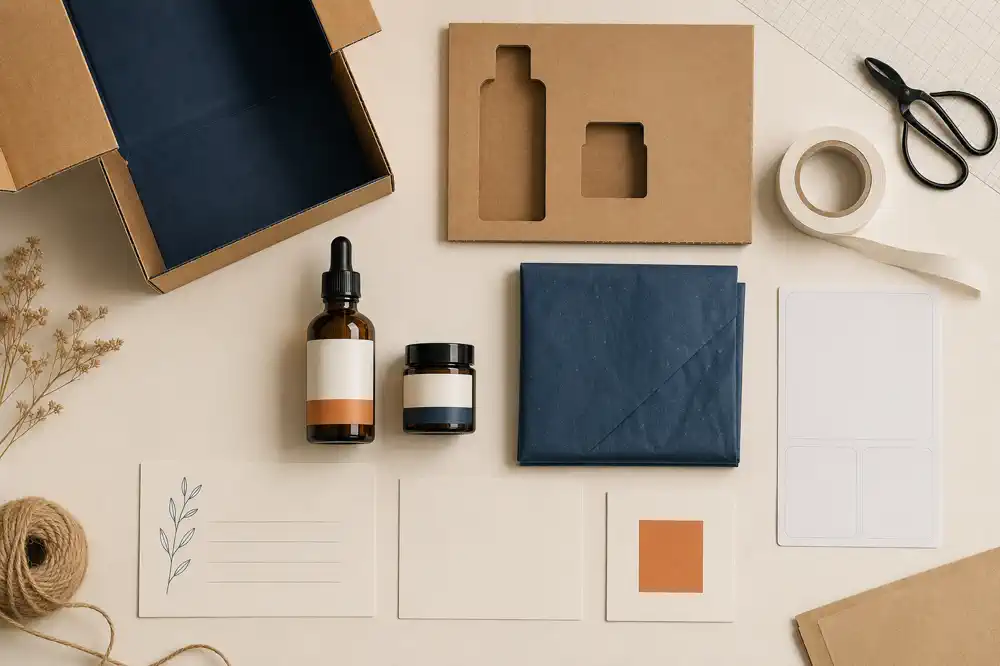
Every item should support the product, recipient or campaign. Filling empty space with unrelated gifts can increase cost and waste without improving coverage.
1. The Main Product
Choose the product that best represents the campaign. For a new range, one hero product plus one or two supporting items is often easier to understand than an entire catalog. Shade ranges and sample collections may require a larger set when variety is central to the story.
2. Protective Outer Packaging
The outer packaging must survive sorting, stacking and delivery. A presentation box placed inside a shipping carton may be needed for fragile, heavy or high-value items. Shipping labels should not cover important graphics when the outer mailer is also part of the reveal.
3. A Secure Insert
An insert prevents movement and organizes the opening sequence. Common choices include:
- Die-cut corrugated inserts
- Folded paperboard platforms
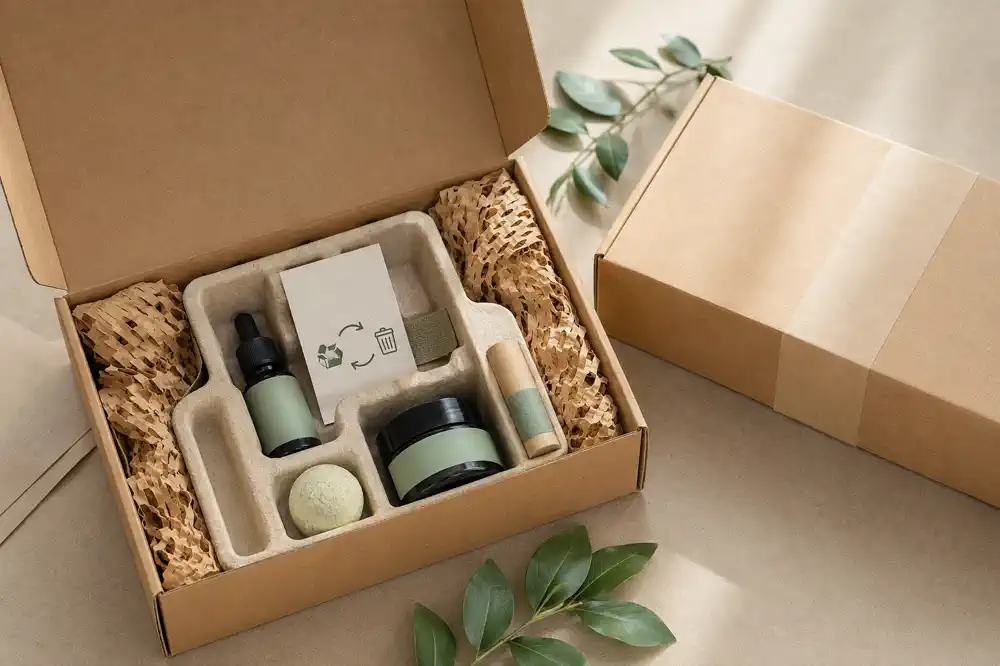
- Molded-pulp trays
- Foam for selected high-value applications
- Fabric-covered trays
- Paper cushioning for irregular items
Paper-based inserts can support a cleaner recycling route when coatings, adhesives and material combinations are kept simple.
4. A Personal Note
Use the recipient’s correct name and mention a genuine reason for selecting them. Avoid demanding language. The note can explain why the product may be relevant to their audience without pressuring them to publish.
5. Product Information
Include the information needed to use and describe the product accurately:
- Product name and purpose
- Materials or ingredients
- Usage instructions
- Safety or storage guidance
- Launch date
- Official social handles
- Contact person
- Approved product images or QR link
When several information sheets must be assembled in a set order, this guide to what collate means in printing can help teams plan printed inserts and campaign documents.
6. A Clear Next Step
The next step may be scanning a QR code, visiting a launch page, trying a product routine, attending an event or contacting the media team. Keep it optional unless the relationship is governed by an agreement.
7. Gifting-Disclosure Guidance
Free products can create a material connection between a brand and a creator. The US Federal Trade Commission says brands sending free products should ask recipients to clearly disclose the gift in resulting endorsements. Review the current FTC Endorsement Guides and obtain market-specific advice for campaigns outside the United States.
How to Create a PR Package Step by Step
Step 1: Define One Campaign Goal
Choose a primary outcome before designing the box. Common goals include launch awareness, product trials, creator feedback, social content, press reviews or event attendance. One package can support more than one outcome, but a single primary goal keeps the message clear.
Step 2: Build a Relevant Recipient List
Review audience location, topic relevance, engagement quality, recent content and contact preferences. A creator with a smaller but closely matched audience may be more useful than a large account with little category connection.
Record:
- Recipient name
- Delivery approval
- Shipping address
- Product preferences
- Sizes, shades or dietary details
- Audience category
- Contact history
- Tracking number
- Follow-up status
Ask before collecting or using personal details, and store addresses securely.
Step 3: Confirm Product Fit
Measure every item at its widest, longest and highest point. Include caps, pumps, handles, cables and accessories. Weigh the complete set. These details determine the internal dimensions, insert layout, board grade and shipping method.
Step 4: Choose the Box Structure
Select the simplest structure that protects the items and supports the desired opening sequence. A small launch does not always require a magnetic rigid box. A well-printed corrugated mailer with a clean paperboard insert can look organized on camera and travel more efficiently.
Step 5: Plan the Opening Sequence
Map what the recipient sees at each stage:
- Shipping exterior
- Inside-lid message
- Personal note
- Main product
- Supporting products
- Information card
- QR-linked content
The main product should not be buried under filler or loose promotional items.
Step 6: Create and Test a Prototype
Test product fit, removal, lid clearance, print placement and shipping protection before approving the full run. Brands working with unusual product shapes can review 3D printing innovations in packaging to understand how early models may support insert and fit testing.
Step 7: Prepare Accurate Artwork
Confirm dieline size, bleed, safe zones, color settings, image resolution, barcode placement and finishing layers. Proofread the inside-lid message, product names, social handles and QR destination. A beautiful box with a broken QR code or wrong creator name can harm the opening moment.
Step 8: Assemble Consistently
Create an assembly reference showing the position and direction of every item. This reduces variation when several people pack the boxes. Check each name, product variant and address before sealing.
Step 9: Ship and Track
Choose the shipping service according to product value, weight, delivery window and storage needs. Test fragile packages using a realistic courier journey. Share tracking information when permission and campaign arrangements allow it.
Step 10: Follow Up Respectfully
Confirm safe delivery and provide support. Do not send repeated demands for coverage when no publishing agreement exists. Feedback about damage, unclear instructions or excessive packaging can improve the next campaign.
How to Choose the Right PR Box
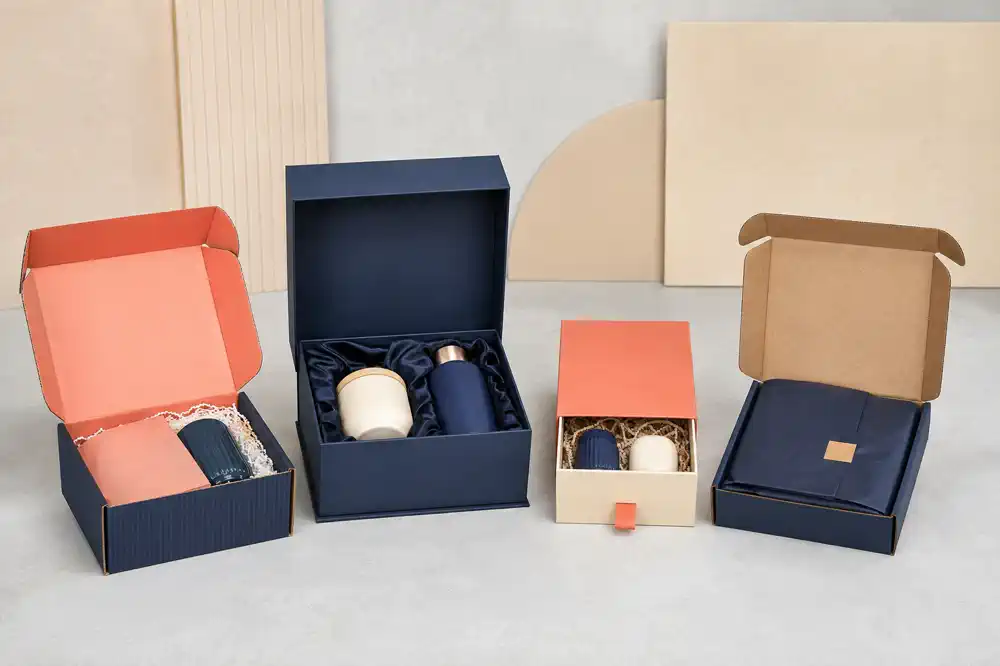
| Box Style | Best For | Key Benefit | Watch For |
| Corrugated mailer | Beauty, food, apparel, books and sample kits | Good shipping protection and print area | Oversized mailers create empty space |
| Rigid lift-off box | Luxury launches, jewelry and collector sets | Strong presentation and storage value | Higher cost and shipping weight |
| Magnetic rigid box | High-value media kits and limited sends | Controlled opening and reusable format | Magnets and mixed materials affect disposal |
| Folding carton | Small, light products and individual samples | Efficient storage and lower material use | May need an outer shipping container |
| Drawer box | Layered reveals and compact sets | Clear opening sequence | Sleeve friction and pull-tab strength need testing |
| Tube package | Posters, bottles or themed campaigns | Memorable shape | Can roll during transit without an outer carton |
Packaging NextGen recommends starting with protection, product fit and shipping conditions before selecting decorative finishes.
Box Size and Insert Planning
A PR box should leave enough room for protection without making the product look lost. Start with the actual product arrangement, then calculate insert walls, finger cutouts, lid clearance and outer-board thickness.
Ask these questions:
- Can the recipient remove each item without force?
- Will bottles remain upright during transit?
- Are glass items separated from one another?
- Does the lid close without pressing pumps or caps?
- Can accessories move into another compartment?
- Is empty space supporting the layout or merely increasing volume?
- Will the finished package fit the selected courier service?
For bottles and jars, test the base diameter, shoulder width and cap. For apparel, allow for fold thickness. For electronics, keep cables organized and provide a clear setup sequence.
Materials and Print Choices
Corrugated Board
Corrugated board works well for shippable creator mailers because its fluted layer adds cushioning and stacking strength. E-flute is often selected when brands need a thinner profile and a printable surface, though final grade should match product weight and transport conditions.
Paperboard
Folding paperboard is useful for product sleeves, information folders and lightweight inner structures. It can also create dividers or raised platforms inside a corrugated mailer.
Rigid Board
Rigid board supports premium presentation and repeated storage. Because it uses more material and adds shipping weight, reserve it for campaigns where its presentation and reuse value justify the cost.
Molded Pulp
Molded-pulp inserts can hold bottles, jars and devices while reducing reliance on plastic or foam. Accurate tooling and removal testing are important because deep cavities can make products difficult to lift.
Finishes
Possible print and finish choices include:
- CMYK or spot-color printing
- Matte or gloss lamination
- Embossing or debossing
- Foil stamping
- Spot gloss
- Water-based coatings
- Printed tissue paper
- Branded paper tape
Use finishes selectively. Every layer should have a clear visual or protective purpose.
Responsible Material Claims
Do not place certification logos on artwork without authorization. The Forest Stewardship Council explains that FSC labels are used on certified products and require a valid certificate and approval. Check the current FSC label guidance before making an FSC claim.
15 PR Package Ideas for Brands
The best PR package ideas are not necessarily the largest. Each concept below gives the creator a clear product story and a simple visual sequence.
1. Skincare Routine Box
Arrange cleanser, treatment and moisturizer in the order they are used. Numbered paperboard tabs can guide the routine, while a small card explains skin type, patch testing and product timing.
2. Makeup Shade Story
Group a focused shade family around one campaign theme instead of sending every available color. Add a swatch card, shade names and a removable mirror made from an appropriate lightweight material.
3. Fragrance Note Reveal
Use three sections for top, middle and base notes. Scent cards or ingredient imagery can explain the composition before the bottle is lifted from its insert.
4. Food Tasting Flight
Place several flavors in a tasting order and include a scorecard. Use food-safe primary packaging, clear allergen details and temperature-controlled shipping where the product requires it.
5. Beverage Pairing Kit
Send the main beverage with a recipe or pairing card and one useful serving item. Heavy bottles need dividers, base support and tested protection between glass surfaces.
6. Fashion Launch Mailer
Fold the main garment under branded tissue and place accessories in a separate paperboard compartment. Confirm size, color preference and delivery interest before sending.
7. Jewelry Story Box
Use a compact rigid or drawer box with secure holders for each piece. Include material, care and sizing information. Avoid an oversized package that makes a small item feel wasteful.
8. Tech Review Kit
Create labeled spaces for the device, cable, charger and setup card. Add a QR code for specifications, software downloads and review contacts. Protective testing matters more than decorative filler.
9. Fitness Challenge Pack
Combine the product with a short, optional challenge card and a trackable campaign link. Apparel sizes and dietary restrictions should be confirmed before shipment.
10. Book and Author Mailer
Protect book corners with a correctly sized mailer. Include a short author note, publication date, synopsis and access to approved cover images. A bookmark is more relevant than unrelated merchandise.
11. Home Fragrance Set
Use dividers for candle jars, diffusers or room sprays. Add burn, ventilation and surface-safety guidance. The box should keep lids, reeds and glass containers from colliding.
12. Pet Product Trial Box
Organize products by use and include ingredient, size and safety details. Confirm the animal type, breed size, allergies and dietary needs before selecting the contents.
13. Gaming Launch Crate
Use an opening sequence inspired by the game environment without copying unrelated intellectual property. Include the main item, activation instructions and a QR-linked media folder. The packaging can borrow visual storytelling lessons from this cereal mascot packaging guide when a campaign uses original characters.
14. Wellness Reset Kit
Arrange products around a simple morning or evening routine. Keep health claims accurate and provide usage warnings where needed. Do not imply medical outcomes that the product cannot support.
15. B2B Launch Desk Kit
A software or service brand can send a compact desk kit with a printed problem-and-solution card, QR-linked demo, relevant notebook and event invitation. The physical items should connect directly to the business message.
How Much Does a PR Package Cost?
There is no universal price because product value, order quantity, box structure, inserts, print, finishing, assembly and shipping all change the total. A useful starting point is a landed-cost model.
Illustrative Budget per Package
| Cost Item | Example Low-Budget Send | Example Premium Send |
| Product cost | $12 | $45 |
| Printed box | $6 | $28 |
| Insert and print card | $3 | $12 |
| Tissue, seal or tape | $1 | $5 |
| Assembly | $2 | $7 |
| Domestic shipping | $9 | $25 |
| Illustrative total | $33 | $122 |
These are planning examples, not supplier quotations. Obtain current prices using the final size, quantity, destination and production specifications.
Packaging NextGen advises brands to calculate total campaign cost, not box price alone:
Total campaign cost = products + packaging + printing + assembly + storage + shipping + damaged replacements
A larger box can increase board use, filler, dimensional shipping weight and storage space at the same time. Right-sizing can control several costs with one decision.
How to Measure a PR Gifting Campaign
Choose metrics before sending the boxes so the team knows what data to record.
Delivery Rate
Delivered packages ÷ shipped packages × 100
This shows list and shipping accuracy. Returned or damaged packages should be recorded separately.
Coverage Rate
Recipients who published qualifying coverage ÷ delivered packages × 100
Define qualifying coverage before calculating it. A private thank-you message is not the same as a public review or video.
Cost per Published Placement
Total campaign cost ÷ qualifying published placements
This provides a clearer campaign cost than box price alone.
Content Usage Rate
Track how many creator assets the brand has permission to reuse. Organic publication does not automatically give the brand unlimited advertising rights.
Referral and Conversion Data
Use creator-specific links, campaign landing pages or codes when appropriate. Track sessions, email signups, purchases and assisted conversions. A promo code can miss people who view creator content and later purchase through another channel, so combine attribution methods.
Qualitative Feedback
Record comments about:
- Product relevance
- Damage or leakage
- Box size
- Insert removal
- Message clarity
- Unnecessary items
- Disposal instructions
- Setup or usage problems
Common PR Package Mistakes
Sending Without Confirming Interest
Unwanted packages waste product, materials and shipping. Confirm interest, address and product suitability where possible.
Choosing Size Before Product Layout
This often creates an oversized box or a weak insert. Arrange and measure the products first.
Prioritizing Appearance Over Protection
A box that photographs well but arrives crushed has failed its main job. Test shipping protection with the final products inside.
Using Too Many Materials
Foam, plastic windows, magnets, fabric, laminated board and metallic finishes may look impressive together, but they can complicate disposal and increase cost.
Adding Irrelevant Merchandise
Every extra item competes with the main product for attention. Use one relevant supporting item instead of several generic gifts.
Forgetting Disclosure Guidance
Creators need clear, current instructions on revealing a gifted relationship. The disclosure should be easy for the audience to notice and understand.
Demanding Content From an Unpaid Recipient
If content is required, define the agreement before sending the product. Do not treat a gift as an undisclosed contract.
Using Unverified Sustainability Language
Terms such as recyclable, recycled, compostable and certified need evidence and market-specific context. State which component the claim applies to.
Failing to Test QR Codes
Check every code on multiple devices and keep the landing page live throughout the campaign.
Measuring Likes Alone
Reach and likes do not show product understanding, website visits, reusable content rights or sales. Use several metrics.
PR Package Checklist
Campaign Planning
- Define one primary goal.
- Set the total campaign budget.
- Choose the launch and delivery window.
- Build a relevant recipient list.
- Confirm permissions and personal details.
Product and Packaging
- Measure and weigh every item.
- Select an appropriate box structure.
- Design a secure insert.
- Test product removal and lid clearance.
- Prepare an outer shipping carton if needed.
- Test the packed box in realistic transit conditions.
Printed Information
- Write a personal note.
- Add accurate product facts.
- Include safety and usage details.
- Provide campaign and contact information.
- Test QR codes and landing pages.
- Add clear gifting-disclosure guidance.
Fulfillment
- Match each name to the correct product variant.
- Follow a consistent packing order.
- Record tracking numbers.
- Inspect packages before sealing.
- Keep replacement stock for damage or loss.
Measurement
- Record delivered packages.
- Track public coverage.
- Monitor campaign links and codes.
- Save feedback about packaging and products.
- Review cost per placement.
- Document improvements for the next send.
FAQs
What does PR package mean?
A PR package is a branded collection of products and information sent to creators, journalists or partners to encourage product trials, awareness and possible unpaid coverage.
What should a PR package include?
It should include a relevant product, protective box, secure insert, personal note, accurate product details, brand contact information and clear gifting-disclosure guidance.
Do influencers have to post PR packages?
Not usually when a product is sent as an unsolicited, unpaid gift with no agreement. If content is required, the brand and creator should define that arrangement before the product is sent.
Is a PR package free?
The recipient normally does not purchase a gifted PR package. However, a free product can create a material connection that may need to be disclosed if the recipient endorses it publicly.
How many products should be in a PR package?
Use enough products to communicate one clear campaign story. One main item with one or two supporting products is often easier to understand than a box filled with unrelated merchandise.
How do small businesses make PR packages?
Small businesses can use a printed corrugated mailer, paperboard insert, hero product, personal note and QR-linked product page. Accurate targeting and a good product fit matter more than an expensive box.
How much does a PR package cost?
Cost depends on the product, box, insert, print quantity, assembly and shipping. Calculate landed cost per package and total campaign cost before selecting finishes or extra gifts.
What box is best for influencer PR packages?
A corrugated mailer is suitable for many shippable campaigns. Rigid boxes can suit high-value launches, while folding cartons work for small, light products placed inside a shipping container.
How can PR packaging be more sustainable?
Use the smallest suitable box, reduce mixed materials, remove unnecessary filler, choose verified paper sources, provide disposal instructions and avoid sending unwanted products.
Packaging NextGen supports this approach because material reduction begins with product fit, recipient relevance and accurate box sizing.
Is a PR package the same as a press kit?
No. A PR package usually includes a physical product experience, while a press kit mainly gives journalists facts, images, releases and contact information. A PR package may contain a press kit.
How should brands follow up after sending a PR box?
Confirm safe delivery, offer product support and request feedback. Do not repeatedly demand coverage when no publication agreement exists.
What makes a PR package worth sharing?
Relevance, product quality, clear presentation, secure delivery and a personal message give recipients a useful story to share. Box size or cost alone cannot create genuine interest.
Final Thoughts
A strong PR package starts with the right recipient and product, then uses packaging to protect, organize and explain the campaign. The best boxes do not hide a small product inside layers of filler. They give the recipient a clear opening sequence, accurate information and enough freedom to form an honest opinion.
For brands planning influencer mailers, Packaging NextGen recommends testing the final packed box, calculating the complete landed cost and reviewing every item for relevance. A smaller, well-planned package can communicate more clearly than an expensive send built mainly for size.